

Spotting Dolphins and Porpoises from British Cliffs
A vantage point worth the climb
There is a particular stillness on a British clifftop at half past six in the morning. The gulls are still arguing, the light is low and slanting, and the sea below has that oiled, glassy look that makes every ripple legible. This is when you are most likely to see a harbour porpoise roll through the swell, or the curved black fin of a bottlenose dolphin cutting a line across the bay.
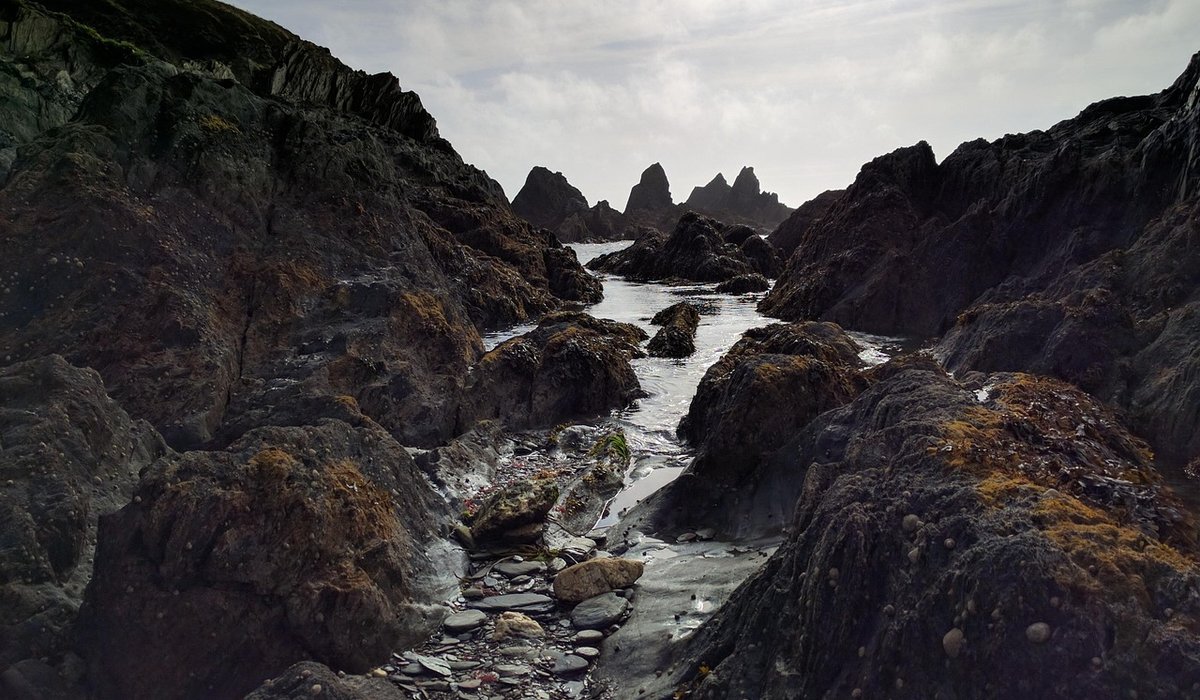
Cliffs give you what no boat and no beach can: height, stillness and a wide field of view. From a headland you can scan a whole bay, watch a tide race build and follow an animal without losing it behind the waves. Around the coast, from the granite edges of Cornwall and Pembrokeshire to the great northern headlands and the sheltered waters of the west, these are some of the best marine mammal watching spots in Europe. You simply have to be there at the right time, looking in the right way.
Reading the sea: where to look
Marine mammals are not evenly spread across the water. They gather where food gathers, so learn to read the clues on the surface.
- Tide races and headlands — where currents are squeezed around a point, fish and plankton are concentrated, and so are predators.
- Convergence lines — the dark, slightly ruffled seams where two bodies of water meet. Watch these patiently; animals often work along them.
- Feeding flocks — gannets plunging, gulls and shearwaters wheeling low. Where birds are working hard, dolphins are frequently underneath.
- Bays and sheltered channels — especially in the west and north-west, where resident bottlenose groups patrol familiar coastlines.
Once you have chosen your patch, scan it properly. Sweep slowly with the naked eye, then stop and use binoculars for thirty seconds on anything that catches your attention. A distant splash is usually a gannet, but occasionally it is not.
The right hour, the right weather
Early morning is not folklore — it is physics. Wind is usually at its lightest, the sea at its calmest, and glare at its kindest. A sea state of one or two, with a light offshore breeze flattening the near water, is close to ideal. Forget it in a stiff onshore wind; whitecaps hide fins completely.
Check the tide tables before you go. Rising water pushing over a headland or into a bay often triggers a burst of feeding activity, and the two hours either side of slack water can be productive too. Spring tides generally stir more than neaps. Overcast conditions reduce glare, and if the sun is behind you rather than in front, you will see far more. Bring a flask, and give it at least an hour. Most sightings happen in the last twenty minutes of a two-hour watch.
Telling a dolphin from a porpoise
Size and style give them away, even at distance. A harbour porpoise is small — roughly a metre and a half — with no beak, a low triangular dorsal fin and a slow, rolling surfacing that barely breaks the water. You often hear the soft puff of its blow before you see it. It rarely leaps, and it rarely comes close. Many people scan past hundreds of porpoises without ever registering them.
Bottlenose dolphins are two to four metres of obvious intent: a tall, curved fin, a clear beak, chunky leaps and a habit of riding boat wakes. Common dolphins are smaller, faster and usually in larger groups, with a pale hourglass patch along the flank. Risso's dolphins look almost white and heavily scarred, with a tall fin and no beak. And remember that a basking shark's fin, a minke whale's back or a diving gannet can all fool you for a second. Take your time before you decide.
Fieldcraft: quiet kit, patient habits
Sound travels over water, and marine mammals react to it. Keep voices low, avoid sudden movement along the skyline, and control dogs. Sit or crouch rather than standing silhouetted on an edge. Then the practical kit:
- Binoculars — 8x42 or 10x42, waterproof and fog-proof. Bigger is not better on a windy clifftop.
- Polarised sunglasses — they cut surface glare and reveal what is happening just under the water.
- Layers and a windproof — the coast is ten degrees colder than the car park in April.
- A notebook and pencil — pencil survives rain and salt spray.
Stay well back from crumbling edges, tell someone where you are going, and take a phone with the coastguard number saved.
Passing it on: the community that keeps the records
Your sighting is worth more than the moment it gave you. Note the date, the time, the exact location as an OS grid reference, the sea state and wind, how many animals you saw, whether any were calves, what they were doing, and which way they were travelling. Even a blank watch is useful data — absence tells researchers something too.
Send it to your local wildlife trust, the county marine mammal recorder or a regional recording scheme. These records feed into real decisions about protected areas, fisheries, offshore developments and disturbance. And share it locally: harbour noticeboards, village halls, the café where the fishermen have their tea. A sighting from a lifeboat crew or a kayak guide fills in gaps no survey boat ever will.
That is the quiet pleasure of coastal living. A cliff, a pair of binoculars and a flask of tea, plugged into a network of people who care about the same stretch of water. Look out to sea, write it down, and tell someone.


Coastal Walks
-
Pack sun cream, water and a windbreak even on cloudy days. Choose lifeguarded beaches and set clear boundaries before children reach the water.

Local Food




-

Long established fact that a reader will be distracted
-

Long established fact that a reader will be distracted
-

Long established fact that a reader will be distracted




Sea Swimming
Karla Gleichauf
12 May 2017 at 05:28 pm
On the other hand, we denounce with righteous indignation and dislike men who are so beguiled and demoralized by the charms of pleasure of the moment
M Shyamalan
12 May 2017 at 05:28 pm
On the other hand, we denounce with righteous indignation and dislike men who are so beguiled and demoralized by the charms of pleasure of the moment
Liz Montano
12 May 2017 at 05:28 pm
On the other hand, we denounce with righteous indignation and dislike men who are so beguiled and demoralized by the charms of pleasure of the moment