

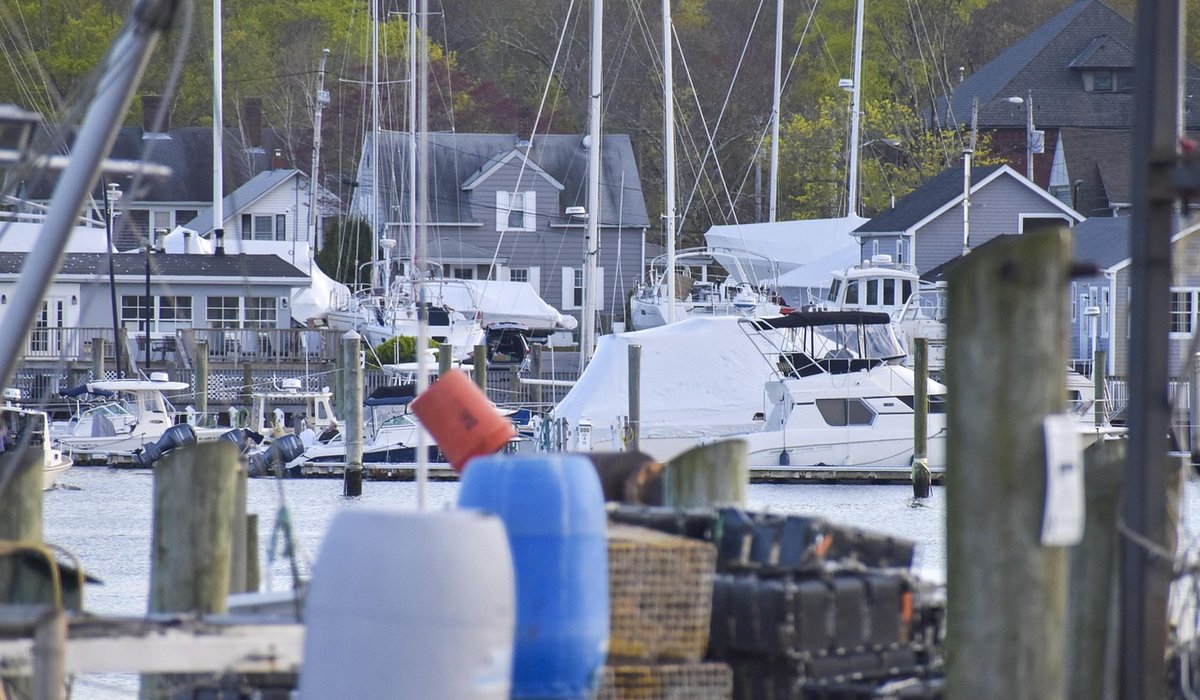
Starting a Community Compost Scheme in a Coastal Town
Why a coastal compost scheme is worth the effort
Living by the sea in the UK brings bracing walks, shifting light and a strong sense of community. It also brings a practical challenge: sandy, thin soil that struggles to hold nutrients, and seafront planters that get battered by salt-laden winds. Every week, households in coastal towns throw away peelings, tea bags and coffee grounds that could be turned into dark, crumbly compost. A shared compost scheme turns that waste into free soil conditioner for the planters along the promenade, the community garden or the tubs outside the village hall. It also cuts the amount of food waste rattling off to landfill or incineration, and gives neighbours a reason to chat over a bucket of vegetable scraps.
Getting your neighbours on board
You do not need a formal committee to start. Begin with a few conversations over the garden fence, at the school gate or in the local pub. Explain the benefits: less waste, better soil, and a shared resource for everyone. A simple messaging group or a notice on the parish council board can gauge interest. Aim for at least five or six committed households; more is better, but too many early on can overwhelm a small site. Ask what people already compost and what puts them off. Common worries include smells, rats, gulls and the effort of turning. Address these head-on by promising a clear set of rules and a shared rota. A short meeting in a front room or community hall, with tea and biscuits, can turn vague enthusiasm into a plan.
Choosing the right site
Site selection is critical in a coastal town. You want somewhere accessible but not exposed. A spot behind a sea wall, beside a sheltered community garden, or in a corner of a car park with a windbreak will work better than the open promenade. Check for:
- Wind and salt: Constant sea breezes dry out compost and deposit salt. A hedge, fence or wall on the seaward side helps.
- Drainage: Avoid low spots that flood after storms or high tides. Compost should be damp, not waterlogged.
- Access: Can neighbours reach it on foot with a small caddy? Is there space for a wheelbarrow and a water butt?
- Permission: Ask the council, parish council or landowner. Many coastal councils are supportive if you explain the plan and agree to keep the area tidy.
- Wildlife: Gulls, foxes and rats are opportunists. Keep bins lidded and secure, and avoid placing them next to overflowing litter bins.
A site that is too public may attract fly-tipping or curious dogs. A site that is too hidden may be forgotten. Aim for a middle ground: visible enough to feel shared, but tucked away enough to be safe.
Setting up shared bins and clear rules
For a small scheme, three or four large plastic compost bins with lids, or a pallet-built bay system, are ideal. Coastal conditions mean you need lids that stay put in high winds — elastic cords or heavy stones on top are simple fixes. Start with one bin for fresh waste, one for turning and maturing, and one for finished compost. Place a waterproof sign listing what goes in and what stays out.
Yes please: fruit and vegetable peelings, tea bags (plastic-free if possible), coffee grounds, crushed eggshells, grass clippings, dead leaves, shredded cardboard, plain paper, seaweed (rinse well to remove excess salt).
No thanks: cooked food, meat, fish, dairy, bones, oils, pet waste, nappies, glossy magazines, plastic packaging. Cooked food and meat attract rats and gulls, and in a shared scheme the risk is not worth it. If you want to compost cooked food, you need a hot composting system or a bokashi bin, which is a bigger commitment.
Agree a rota for turning the heap every two to three weeks, and for adding a bucket of water in dry spells. A good mix is roughly two parts browns (cardboard, leaves) to one part greens (peelings, grass). Keep a fork and a small spade on site, secured with a chain or stored in a nearby shed.
Keeping it going and using the compost
The first few months are the test. Smells usually mean too much green waste or not enough air — turn it and add cardboard. Fruit flies are a sign of uncovered food waste; keep the lid on and bury new additions in the middle. If rats appear, stop adding cooked food, secure the base with wire mesh, and contact the council for advice. A shared scheme works best when someone checks the bins weekly and reports back to the group. Rotate that role so no one burns out.
After six to twelve months, you will have dark, earthy compost. Use it to top up seafront planters, improve sandy borders, or make potting mix for community hanging baskets. Hold a planting day and invite everyone who contributed. That visible result — flowers thriving in what was once food waste — is the best way to keep the scheme alive. Coastal living is about weathering storms together. A compost scheme is a small, practical way to do exactly that, one bucket at a time.


Coastal Walks
-
Plan transport, waste and power with care to keep a coastal celebration green. Involve local traders and ask volunteers to help manage bins and recycling.


Local Food




-

Long established fact that a reader will be distracted
-

Long established fact that a reader will be distracted
-

Long established fact that a reader will be distracted




Sea Swimming
Karla Gleichauf
12 May 2017 at 05:28 pm
On the other hand, we denounce with righteous indignation and dislike men who are so beguiled and demoralized by the charms of pleasure of the moment
M Shyamalan
12 May 2017 at 05:28 pm
On the other hand, we denounce with righteous indignation and dislike men who are so beguiled and demoralized by the charms of pleasure of the moment
Liz Montano
12 May 2017 at 05:28 pm
On the other hand, we denounce with righteous indignation and dislike men who are so beguiled and demoralized by the charms of pleasure of the moment