

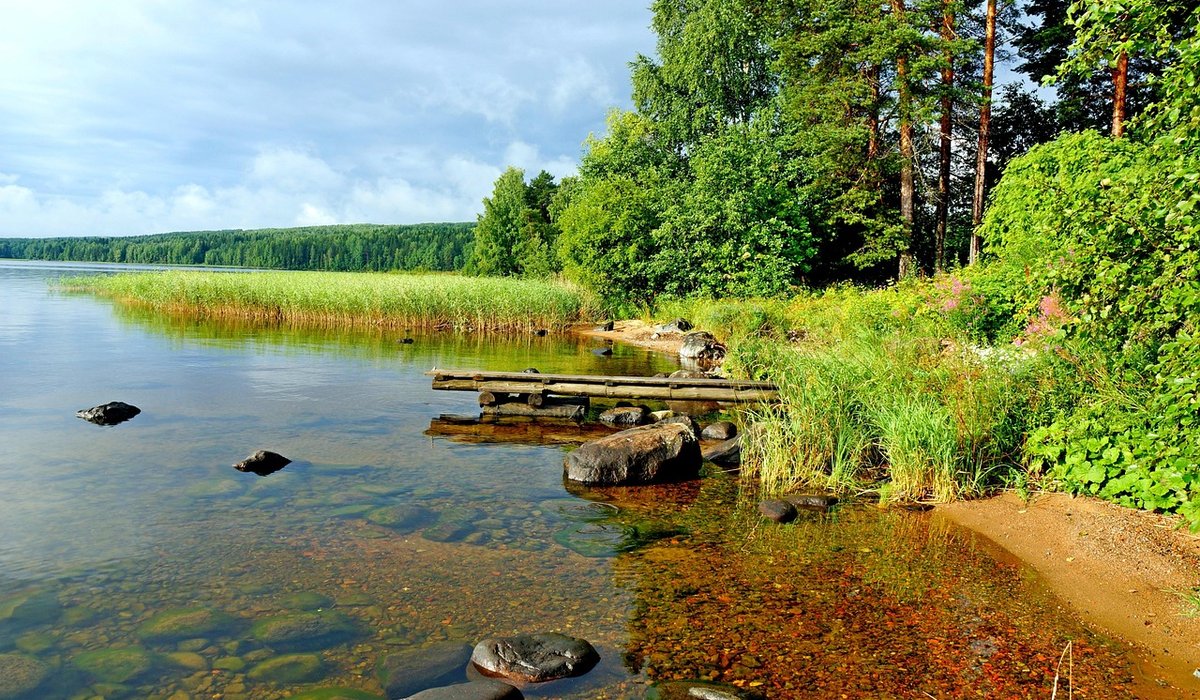
Creating a Wildlife-Friendly Coastal Garden in Small Spaces
There is something quietly brilliant about a coastal garden. The light is sharper, the horizon wider, and the wildlife that shares your patch has usually had to develop a certain toughness to survive there. If you garden within a few miles of the British coast, the chances are you are dealing with salt-laden wind, free-draining soil and long dry spells in summer. That is a challenge, but it is also an opportunity. Choose the right plants, add a few simple features, and even a small balcony, courtyard or pocket-sized back garden can become a genuine haven for bees, birds, butterflies and the less glamorous creatures that keep the whole system ticking over.
Work with the Wind, Not Against It
Wind is the defining feature of most coastal gardens, and it does more damage than the salt alone. It strips moisture from leaves, snaps brittle stems and makes it hard for insects to fly. Before you plant a single thing, think about where the shelter naturally sits. A wall, a fence, a hedge or even a row of sturdy containers can create a calm pocket that transforms what you can grow.
For living shelter, look for tough, wind-resistant natives. Sea buckthorn, hawthorn, blackthorn and elder all cope well with exposure and provide berries and nesting cover. If you only have room for pots, use the containers themselves as a windbreak and cluster them together so plants protect one another. A permeable barrier, such as slatted fencing or a woven willow screen, works better than a solid one because it filters the wind rather than forcing it over the top in a damaging gust.
- Plant in autumn or early spring so roots establish before summer drought
- Group plants tightly to reduce wind exposure and evaporation
- Mulch with gravel, bark or seaweed-free compost to lock in moisture
- Water deeply but less often, encouraging roots to go down
Choose Salt-Tolerant Natives for Pollinators
Salt spray burns tender foliage, so the reliable performers on the coast are those with leathery, hairy or narrow leaves. Happily, many of them are also excellent for pollinators. Sea thrift is the classic seaside plant, forming tight pink cushions that bees adore in late spring. Sea holly brings an architectural blue-green thistle that attracts solitary bees and hoverflies. Kidney vetch, with its soft yellow-orange flowers, is a larval food plant for the small blue butterfly and thrives in poor, sandy ground.
In a small space, height matters. Sea campion and bloody crane's-bill stay low, while viper's bugloss and red valerian add vertical interest and are magnets for bees and day-flying moths. Red valerian is particularly useful because it will grow out of a crack in a wall and shrug off salt. For late-season nectar, sea lavender and fleabane keep insects fed well into autumn.
If you have a sunny wall, consider sea kale. It is a striking plant with crinkled grey leaves and clouds of white flowers that bees and hoverflies work enthusiastically, and it is surprisingly happy in a large pot.
Add Shallow Water Without Digging a Pond
Fresh water is the single best thing you can add for wildlife, and it does not require a big pond. A shallow glazed pot, an old sink or a half-barrel sunk to the rim will do. Keep the water no more than 10–15cm deep, with a few stones or a gently sloping ramp so that hedgehogs, frogs and insects can climb out. A shallow dish of water placed on the ground is a lifeline for thirsty birds in hot weather.
Line the container with a couple of centimetres of gravel or aquatic compost and plant native marginals. Water mint, bog bean and lesser spearwort are all compact enough for a small water feature and attract damselflies and hoverflies. Avoid introducing fish, which will eat the larvae that make the water worthwhile. If mosquitoes are a worry, the answer is simple: once the pond settles, dragonflies, beetles and other predators usually move in and keep them in check. Topping up with rainwater rather than tap water keeps the water chemistry friendlier for wildlife.
Build a Log Pile and Leave the Mess
Neat gardens are poor wildlife gardens. A single log pile in a shady corner is one of the most valuable habitats you can create, and it costs nothing. Stack untreated wood — oak, ash, beech or fruitwood — with the bark left on, ideally partly buried or in contact with damp soil. This is prime real estate for beetles, centipedes, woodlice, frogs and solitary bees, and birds such as wrens and robins will probe it through the winter.
Add to it with a bundle of hollow stems, such as bamboo or old elder twigs, tied together and hung in a sunny, sheltered spot for solitary bees. Leave some seed heads standing through winter for goldfinches and sparrows. Resist cutting back until late spring, when the frosts have passed and the insects have emerged.
- Keep one corner deliberately unkempt: leaf litter, long grass and fallen twigs
- Use peat-free compost and avoid insecticides, slug pellets and weedkillers
- Choose open, single-flowered varieties rather than double blooms
- Install a small bird box and a shallow bird bath if space allows
Make Every Square Foot Count
In a small coastal space, design does the heavy lifting. Grow vertically with climbers such as honeysuckle or native ivy, both of which provide nectar and nesting cover. Use a washing-up bowl, an old crate or a stack of pots to create layers of height and shade. Think of the garden as a series of shelters and sun traps, and watch how the insects move through it.
The rewards come quickly. Within a season you may notice leafcutter bees on the valerian, a robin turning over the log pile, and a frog sitting half-submerged in the water bowl. Coastal gardening asks a little patience and a tolerance for scruffiness, but in return it gives you a garden full of life, built to withstand whatever the sea breeze throws at it.


Coastal Walks
-
Stay on marked paths, avoid trampling rare plants and keep drones away from nesting birds. Good light is worth waiting for without harming the landscape.

Local Food




-

Long established fact that a reader will be distracted
-

Long established fact that a reader will be distracted
-

Long established fact that a reader will be distracted




Sea Swimming
Karla Gleichauf
12 May 2017 at 05:28 pm
On the other hand, we denounce with righteous indignation and dislike men who are so beguiled and demoralized by the charms of pleasure of the moment
M Shyamalan
12 May 2017 at 05:28 pm
On the other hand, we denounce with righteous indignation and dislike men who are so beguiled and demoralized by the charms of pleasure of the moment
Liz Montano
12 May 2017 at 05:28 pm
On the other hand, we denounce with righteous indignation and dislike men who are so beguiled and demoralized by the charms of pleasure of the moment