

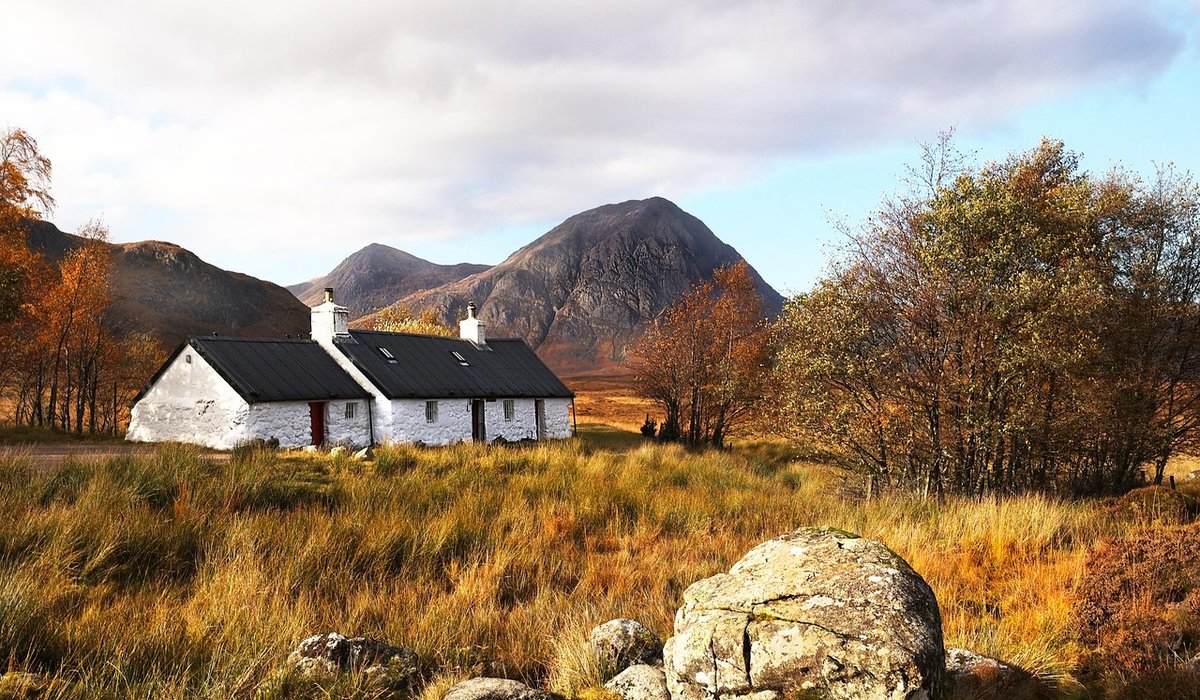
Photographing Coastal Sunsets Without Damaging Cliff Habitats
Why Cliff-Top Sunsets Are Worth Protecting
There are few better ways to end a day in the UK than watching the sun slip into the sea from a clifftop. The light turns copper, the horizon softens, and for a few minutes everything feels still. But those cliffs are not just a viewpoint. They are some of the most fragile habitats in the country, home to rare plants, nesting seabirds and thin soils that take decades to recover from a single misplaced boot.
Many coastal cliffs are protected as Sites of Special Scientific Interest, Special Areas of Conservation or Special Protection Areas. That protection is not red tape for its own sake. It exists because these places are irreplaceable. Good photography and good stewardship go together. You can come away with a beautiful image and leave the landscape exactly as you found it, or better.
Stay on Marked Paths, Even When the View Beckons
It is tempting to step off the path for a cleaner composition. A few metres closer to the edge, a slightly better angle, no fence in the frame. But cliff-top paths are there for a reason. The ground either side is often fragile maritime grassland or heath, bound together by plant roots and lichen. One person cutting a corner is rarely a disaster. Hundreds doing it through a summer can turn a narrow trail into a widening scar of bare earth.
Erosion gullies deepen, soil washes away, and the plants that hold the cliff together struggle to return. Stay behind fences and respect temporary signs. Keep dogs close and under control, especially around livestock and nesting areas. If the path is muddy, walk through the mud rather than around it. If you need a tighter shot, use a longer lens rather than your feet. A zoom lens will almost always get you closer without causing harm.
Scout your location in daylight before sunset. Note the paths, gates, stiles and any ground-nesting bird signs. Work out where you can safely stand, and where you cannot. That way, when the light arrives, you are already in the right place.
Rare Plants Underfoot: The Hidden Cost of a Better Angle
Cliff tops host a remarkable range of plants: sea thrift, spring squill, wild carrot, bloody cranesbill, mosses and lichens. Some are tiny, growing in bare-looking patches that are actually delicate microhabitats. A tripod leg, a camera bag or a kneeling knee can crush them in seconds. These plants may be rare nationally or locally, and they cannot simply grow back next week.
- Place your tripod on bare rock, gravel or an established path, never on flower-rich turf.
- Avoid kneeling or lying down on vegetation to get a low angle.
- Keep bags, coats and drone cases off the ground cover.
- Take only photographs. Leave shells, stones, flowers and seeds where they are.
- Never pick, dig up or transplant anything, however small.
If you want a foreground of wildflowers, use a long lens and a shallow depth of field from the path. It is kinder to the habitat and often makes a more striking image.
Give Nesting Birds Space and Quiet
Spring and summer turn cliff faces into noisy, crowded cities. Fulmars, kittiwakes, guillemots, razorbills, puffins, peregrines and choughs may all be present. Disturbance is serious. If adults fly off in alarm, eggs and chicks are left exposed to cold, sun and predators such as gulls and crows. A single careless approach can cost a nest.
Keep your distance and use a long lens. Stay low, move slowly and avoid sudden movements. If birds start alarm-calling, circling or diving, you are too close. Back away immediately. Avoid flash, which can startle wildlife and ruin your own night vision. Never fly a drone near nesting colonies.
Check local restrictions before you go. Many reserves close clifftop paths or ask visitors to avoid certain areas between March and August. Those rules are not obstacles to great photography. They are what allow the birds to return next year.
Drones: A Tempting Tool That Can Do Real Harm
Drones can capture angles that are impossible from land. They can also cause real distress. Nesting birds see them as predators. The result can be panic flights, nest abandonment, collisions and lost chicks. Even a quiet drone can trigger a response, especially when it appears suddenly above a colony.
UK law requires you to keep away from wildlife and to respect protected sites. Many coastal cliffs are covered by additional restrictions. If signs say no drones, do not fly. If you are unsure, leave it in the bag. A sunset photographed from a marked path is worth far more than a nest lost for a single shot.
Wait for the Light, Then Leave No Trace
The best coastal sunsets rarely arrive on schedule. They come after rain, with broken cloud, or on clear winter evenings when the sun sets over open sea. Waiting is part of the craft. Arrive early, check tide tables, and give yourself time to walk back safely in the dark. A red-light head torch helps you see without blinding other people or disturbing wildlife.
When you leave, take everything with you: wrappers, fruit peel, lens caps, batteries, drone parts. Leave gates as you find them. Do not build cairns or stack stones; they disturb habitat and mislead other walkers. The coast does not need our marks on it. It needs our attention, our patience and our care. Photograph it well, and leave it wild.


Coastal Walks
-
A simple treasure hunt can bring neighbours together on the sand. Use natural markers, set clear boundaries and finish with a shared picnic.

Local Food




-

Long established fact that a reader will be distracted
-

Long established fact that a reader will be distracted
-

Long established fact that a reader will be distracted




Sea Swimming
Karla Gleichauf
12 May 2017 at 05:28 pm
On the other hand, we denounce with righteous indignation and dislike men who are so beguiled and demoralized by the charms of pleasure of the moment
M Shyamalan
12 May 2017 at 05:28 pm
On the other hand, we denounce with righteous indignation and dislike men who are so beguiled and demoralized by the charms of pleasure of the moment
Liz Montano
12 May 2017 at 05:28 pm
On the other hand, we denounce with righteous indignation and dislike men who are so beguiled and demoralized by the charms of pleasure of the moment